
DIY Home Organization: Transform Your Space on a Budget
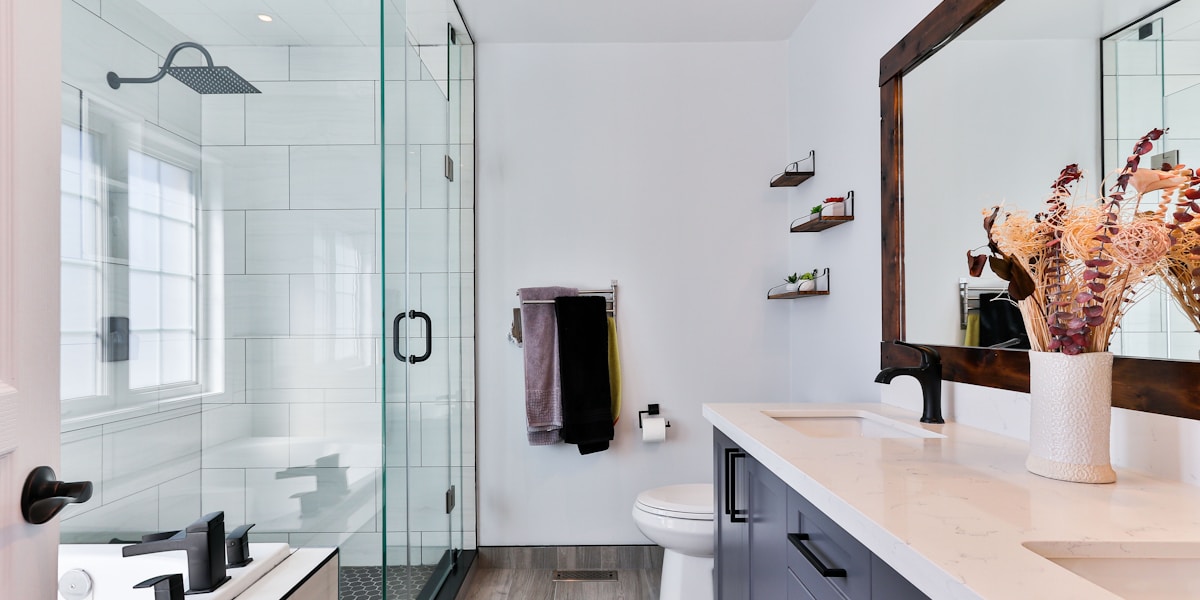
Does your home feel cluttered and chaotic? You're not alone. Many people struggle with keeping their living spaces organized, but the good news is that you don't need expensive storage systems or professional organizers to create a tidy, functional home. With some creativity, basic tools, and a weekend of effort, you can transform any room using DIY organization solutions that cost a fraction of store-bought alternatives. This comprehensive guide will walk you through practical, budget-friendly organization strategies for every area of your home.
The Foundation: Declutter First
Before organizing, you must declutter. Organization systems fail when they're storing items you don't need or use. Start with the four-box method: Keep, Donate, Sell, and Trash. Be ruthless—if you haven't used something in a year, it probably doesn't belong in your home.
Work through your home one room at a time to avoid overwhelm. Set a timer for 30 minutes and focus on one category or area. You'll be amazed at how much you can accomplish in short bursts. Remember, decluttering is a process, not a one-time event. Make it a regular habit to prevent accumulation.
Kitchen Organization: The Heart of the Home
The kitchen is often the most challenging room to organize because it's used so frequently. Start by grouping like items together—baking supplies, breakfast items, snacks, and dinner ingredients should each have designated zones. This makes cooking more efficient and helps family members find what they need.
Maximize cabinet space with tiered shelf risers that double your vertical storage. Use clear containers for pantry items so you can see what you have at a glance. Lazy Susans in corner cabinets bring items from the back within easy reach. Under-shelf baskets add storage without taking up shelf space.
Drawer dividers are essential for utensil organization. You can make custom dividers from cardboard covered in decorative paper or purchase inexpensive bamboo dividers. Label everything—labels make it easy to maintain organization and help family members put things back correctly.
Living Room: Creating a Clutter-Free Zone
The living room should be a relaxing space, not a storage dumping ground. Start by designating a home for everything that belongs in this room. Remote controls go in a decorative box or caddy. Magazines and books belong on shelves or in baskets. Toys should have a dedicated storage ottoman or bin.
Vertical storage is your friend in the living room. Floating shelves provide display space without taking up floor area. Built-in bookcases can be DIYed using pre-made cabinets topped with custom shelving. Baskets on lower shelves hide clutter while maintaining a cohesive look.
Cable management is crucial for a clean appearance. Use cable clips to route cords along furniture legs, cable boxes to hide power strips, and cord covers that blend with your walls. A tidy entertainment center instantly makes the whole room feel more organized.
Bedroom: Your Personal Sanctuary
A well-organized bedroom promotes better sleep and reduces morning stress. Start with the closet—install a second rod below your main hanging rod to double hanging space for shorter items. Add shelf dividers to keep stacks of clothing neat. Use slim, matching hangers to maximize rod space and create a uniform look.
Under-bed storage is perfect for out-of-season clothing, extra bedding, or shoes. Use clear bins with lids to protect items from dust while keeping them visible. If your bed is too low, bed risers can add several inches of valuable storage height.
Nightstands tend to accumulate clutter. Use a small tray for daily essentials like glasses and phone. Install a wall-mounted reading light to free up surface space. Consider a nightstand with drawers rather than open shelving to hide visual clutter.
Bathroom: Small Space, Big Impact
Bathrooms are typically small but contain many items that need organizing. Start by decluttering expired products and items you never use. Then categorize what's left: daily essentials, occasional use, and backups.
Over-the-toilet storage units add valuable shelf space without requiring installation. Use clear acrylic organizers in drawers to separate makeup, skincare, and dental care items. Command hooks inside cabinet doors hold hair tools, keeping cords tidy and tools accessible.
Shower organization is essential. Corner caddies, suction cup organizers, and tension rods with hanging baskets keep products within reach. Consider a shower niche during your next renovation for built-in storage that looks custom.
Home Office: Productivity Through Organization
An organized home office boosts productivity and reduces stress. Start with your desk—keep only essential items on the surface. Use a monitor riser with storage underneath to elevate your screen while creating desk space. Drawer organizers separate pens, paper clips, and sticky notes.
File organization is crucial. Use a tiered document tray for active projects and a filing cabinet or box for archived documents. Go digital when possible—scan important papers and shred the originals to reduce physical storage needs.
Cable management is especially important in offices with multiple devices. Use cable sleeves to bundle cords, label each cable at both ends, and consider a wireless keyboard and mouse to reduce cable clutter.
DIY Storage Solutions
Create custom storage with basic materials. PVC pipes cut to length make excellent organizers for everything from hair tools to craft supplies. Paint them to match your decor for a polished look. Wooden crates can be stacked to create modular shelving units.
Repurpose items you already own. Mason jars organize everything from pantry items to craft supplies. Shoe organizers hung on the back of doors store cleaning supplies, accessories, or children's art supplies. Tension rods create instant dividers in cabinets and drawers.
Label makers are worth the investment—clear labels make it obvious where items belong and help maintain organization long-term. For a budget option, use printable labels or washi tape with a permanent marker.
Maintaining Your Organized Home
Organization is an ongoing process, not a one-time event. Implement the one-in-one-out rule: when you bring something new into your home, remove something similar. This prevents accumulation and forces mindful purchasing decisions.
Create daily tidying habits. Spend 10 minutes each evening returning items to their designated homes. Do a quick sweep of main living areas before bed. These small efforts prevent clutter from building up and make deep cleaning sessions less daunting.
Schedule seasonal organization sessions to reassess your systems. What worked in winter might not suit summer activities. As your life changes, your organization needs will too. Stay flexible and adjust your systems as needed.
Budget-Friendly Shopping Tips
You don't need to buy everything at once. Start with the areas causing the most frustration. Dollar stores offer excellent organization supplies—bins, baskets, drawer organizers, and labels at unbeatable prices. IKEA is another great source for affordable storage solutions.
Shop your home first before buying new organizers. Repurpose items from other rooms, use boxes from deliveries, and get creative with what you already own. Sometimes the best organization solutions cost nothing at all.
Wait for sales on higher-ticket items like shelving units or closet systems. Black Friday, end-of-season sales, and back-to-school promotions often feature significant discounts on home organization products.
Conclusion
Creating an organized home doesn't require a massive budget or professional help. With thoughtful decluttering, strategic DIY solutions, and consistent maintenance habits, you can transform any space into a functional, peaceful environment. Remember that organization is personal—what works for one person might not work for another. Experiment with different systems until you find what fits your lifestyle and preferences.
Start small, celebrate progress, and don't aim for perfection. An organized home is a journey, not a destination. With the strategies in this guide, you have everything you need to create a space that supports and enhances your daily life.
Related Articles
About the Author
Muhammad Subhan is the founder of MoneyCalcPro and an organization enthusiast. He believes everyone deserves a clutter-free home without breaking the bank.